Children learn best when they are actively engaged in the learning process? In the era of fast-paced technology and digital distractions, it is crucial to recognize the value of active learning methods for young students. This blog post will delve into the importance of hands-on, movement-oriented learning experiences in nurturing children’s development. We will examine how active and engaged learning influences skills such as collaboration, communication, critical thinking, and creative thinking. Whether you are a parent or educator, the insights shared here will empower you to enrich young minds and foster their natural curiosity.
1. Understanding Active Learning
Active learning refers to a range of pedagogical strategies that encourage students to participate directly in their learning process. Rather than being passive consumers of information, students engage with content through activities that stimulate cognitive functions. This dynamic approach allows children to learn by doing, facilitating deeper comprehension and retention of material. When children are encouraged to explore, question, and analyze, they become more invested in their learning journey.
2. The Role of Movement in Learning
One of the key components of active learning is movement. Young children naturally have high energy levels and an innate desire to explore their environment. Movement is crucial not only for physical development, but also for cognitive development. Research shows that incorporating movement into lessons improves concentration, enhances memory retention, and fosters creative thinking. For example, simple activities such as learning new vocabulary by acting out words or using movement-based routines can significantly boost children’s understanding and recall.
3. Tactile Learning for Deeper Understanding
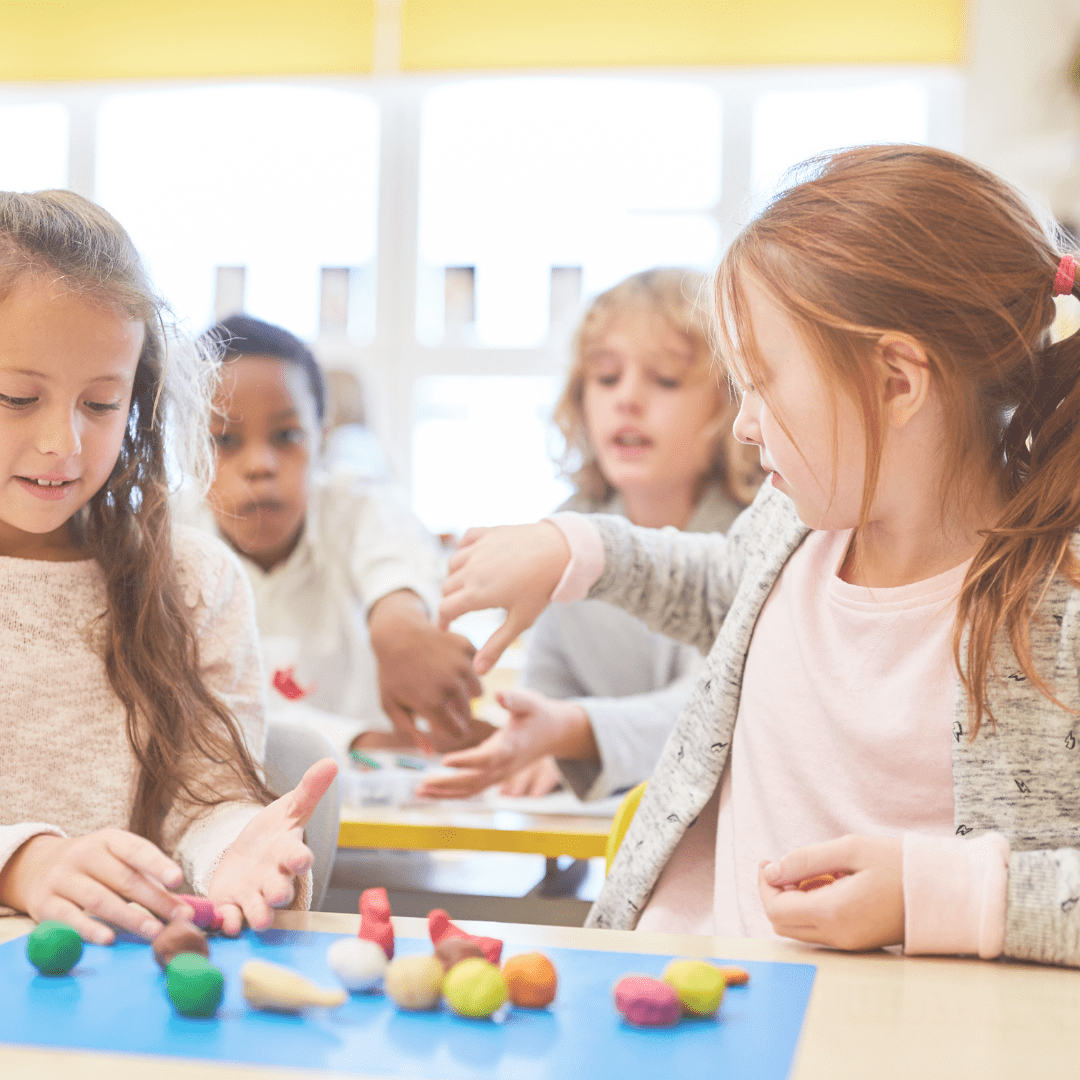
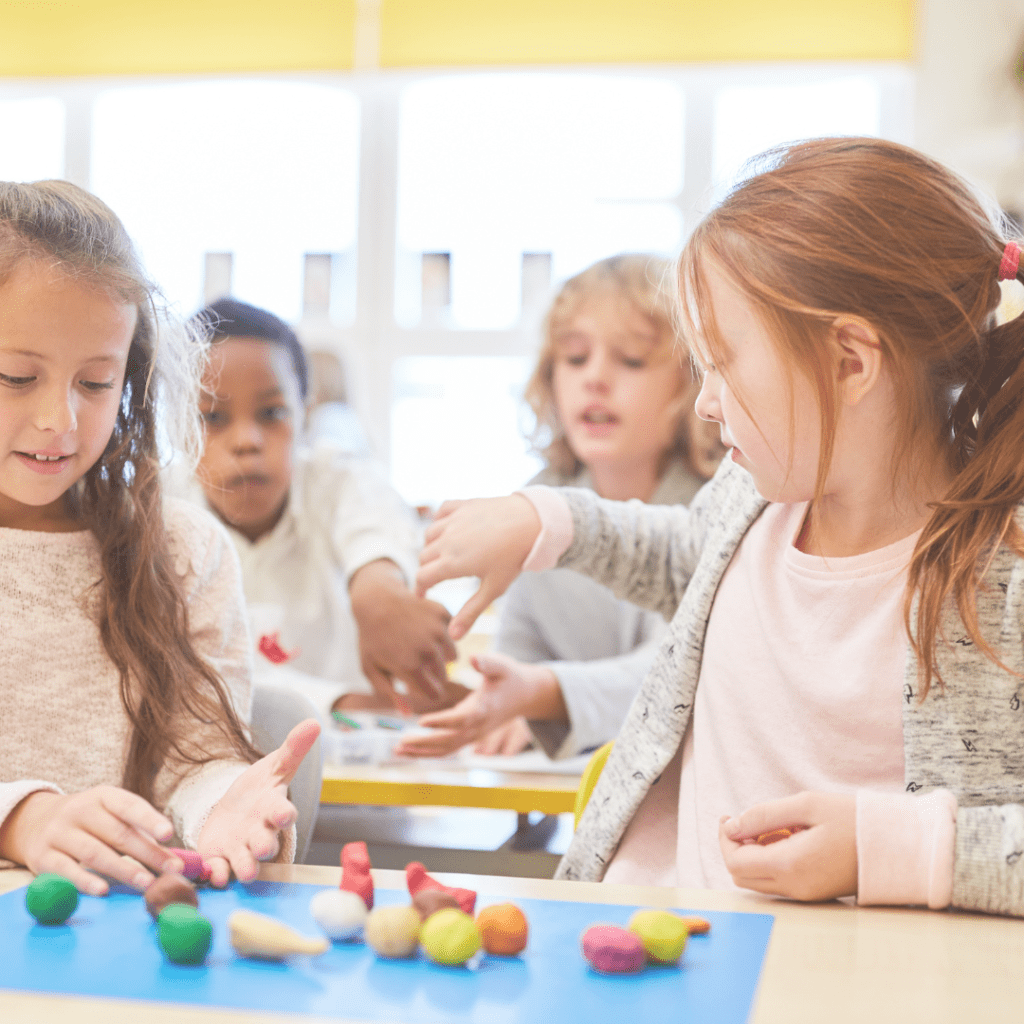
Tactile learning engages the sense of touch, enabling children to learn through hands-on experiences. This approach is particularly effective for young learners, as it aligns with their natural instincts to manipulate objects as a part of their exploration. Activities that involve building, creating, or experimenting allow children to discover concepts through practical application. For instance, using building blocks to learn about geometry or conducting simple science experiments encourages children to observe and inquire, reinforcing their understanding through direct interaction with materials.
4. Fine Motor Development Through Engaging Activities
Active learning also plays a vital role in fine motor skill development. Activities like coloring, cutting, and assembling constructive play items not only provide an engaging learning experience but refine children’s dexterity and hand-eye coordination. These foundational skills set the stage for more complex tasks in the future, such as writing or manipulating tools. Encouraging children to participate in activities that require the use of their hands builds these essential abilities while immersing them in a stimulating learning environment.
5. Developing Collaboration through Engaged Learning
Collaboration is an essential skill for success in today’s interconnected world. Active learning enhances students’ ability to work together effectively. Group projects, interactive games, and peer teaching foster a sense of community and shared responsibility among learners. Children learn to communicate their ideas clearly, respect differing viewpoints, and collectively problem-solve when engaged in group activities. This collaborative spirit nurtures not only interpersonal skills but also boosts academic performance, as learners gather insights from their peers.
6. The Importance of Communication Skills
Active learning environments promote open dialogue and discussion, allowing children to practice communication skills. By participating in discussions or presenting their ideas, children learn to articulate their thoughts and listen to their peers. These experiences pave the way for confident communication in real-world situations. Additionally, incorporating activities such as role-playing or storytelling allows children to express their feelings and perspectives creatively, further enhancing their communication proficiency.
7. Fostering Critical Thinking Skills
Through active engagement, children are encouraged to think critically. They learn to evaluate information, compare different viewpoints, and draw conclusions based on evidence. Activities that challenge students to solve puzzles, think strategically in games, or analyze different outcomes promote analytical thinking. As they grapple with these challenges, children develop resilience and resourcefulness—traits that are valuable throughout life.
8. Cultivating Creative Thinking
Creativity is a cornerstone of innovation. Active learning provides children with the freedom to explore and express their ideas in dynamic ways. Offering opportunities for imaginative play, artistic expression, or brainstorming sessions allows children to experiment with their thoughts and develop creative solutions to problems. This not only contributes to their cognitive development but also enhances their ability to adapt to diverse situations. Educators and parents alike should prioritize fostering spaces that encourage creativity, as it is essential for personal and professional success in the future.
9. Active Learning at Home
Parents can implement active learning strategies at home as well. Simple changes in the way activities are approached can make a significant difference. Encourage playtime that integrates physical activity, such as outdoor games or obstacle courses. Allow children to engage in messy projects like painting or gardening, which provide tactile experiences that enhance sensory development. Additionally, embracing inquiry-based learning at home—where children ask questions and seek answers through exploration—empowers them to take charge of their learning outside the classroom.
10. The Impact of Active Learning on Long-Term Success
The benefits of active learning extend beyond kindergarten and into a child’s educational journey. Students who engage in active learning environments tend to develop stronger intrinsic motivation, greater agency over their learning, and improved performance in academics. These skills provide them with a competitive edge as they transition to higher levels of education and eventually, the workforce. Immediate investments in active learning can lead to long-term achievements.
11. Addressing Common Misconceptions
Despite its evident advantages, active learning may be met with resistance from some educators and parents. One common misconception is that a focus on movement and play detracts from academic rigor. On the contrary, integrating playful experiences into learning doesn’t compromise educational standards; it enhances them. Research consistently indicates that children who learn through play have higher academic scores and emotional well-being than those who do not. Understanding this makes it easier to advocate for more engaged learning approaches within educational settings.
12. Conclusions and Moving Forward
The landscape of education is evolving rapidly, and it is imperative that we adapt our methods to meet young learners’ needs. Active learning is not a luxury—it is a necessity for fostering growth in movement, communication, collaboration, critical thinking, and creativity. By investing in approaches that prioritize active engagement, we not only enrich the educational experience but also prepare children for future success in an ever-changing world.
So where do we go from here? It’s time to champion active learning in our classrooms and homes, ensuring that our children develop the skills they need to thrive. Make time to engage with your child through active learning activities like outdoor exploration or creative projects, and watch them flourish as independent, innovative thinkers.
Invest in your child’s need to move and play—learning should and does naturally happen in these active, engaging environments!
 A Better Learning Experience | Homeschool Co-Op